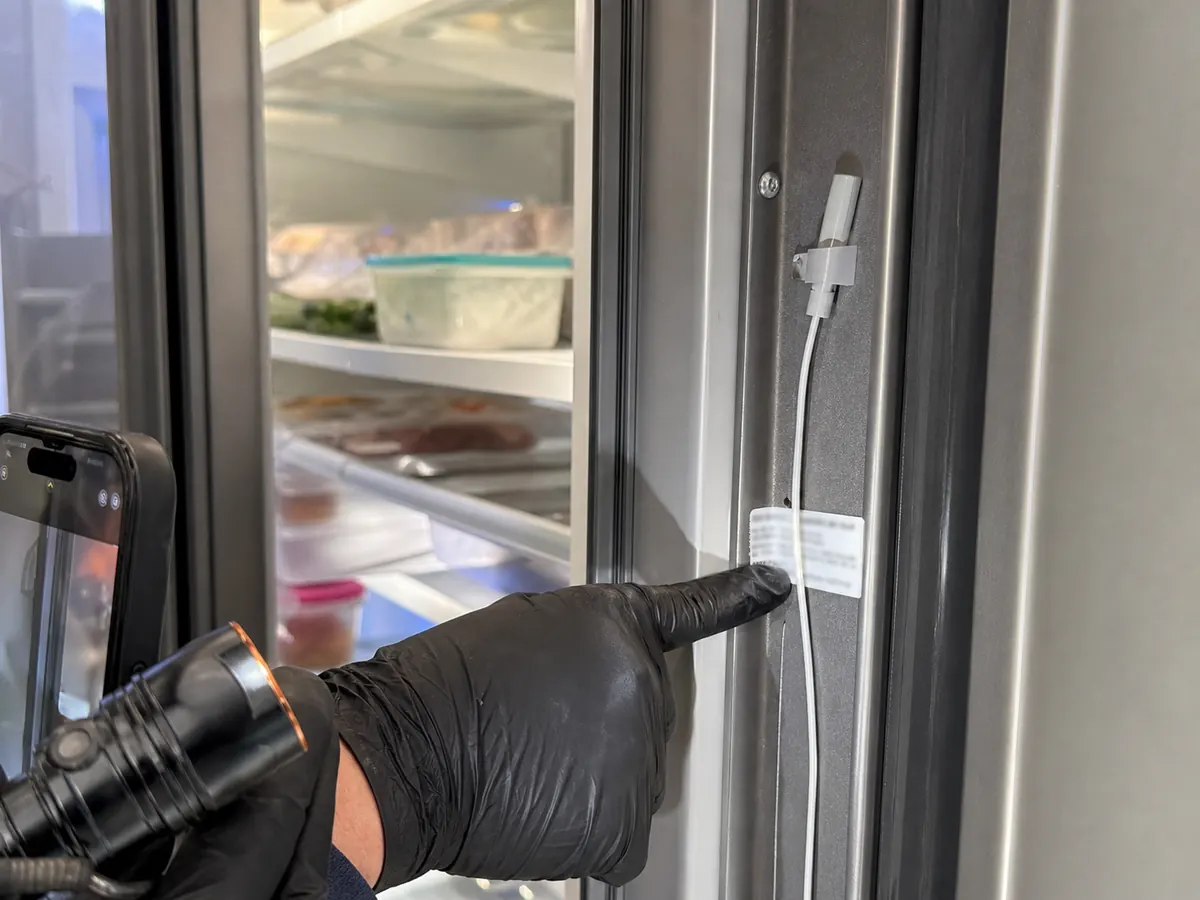
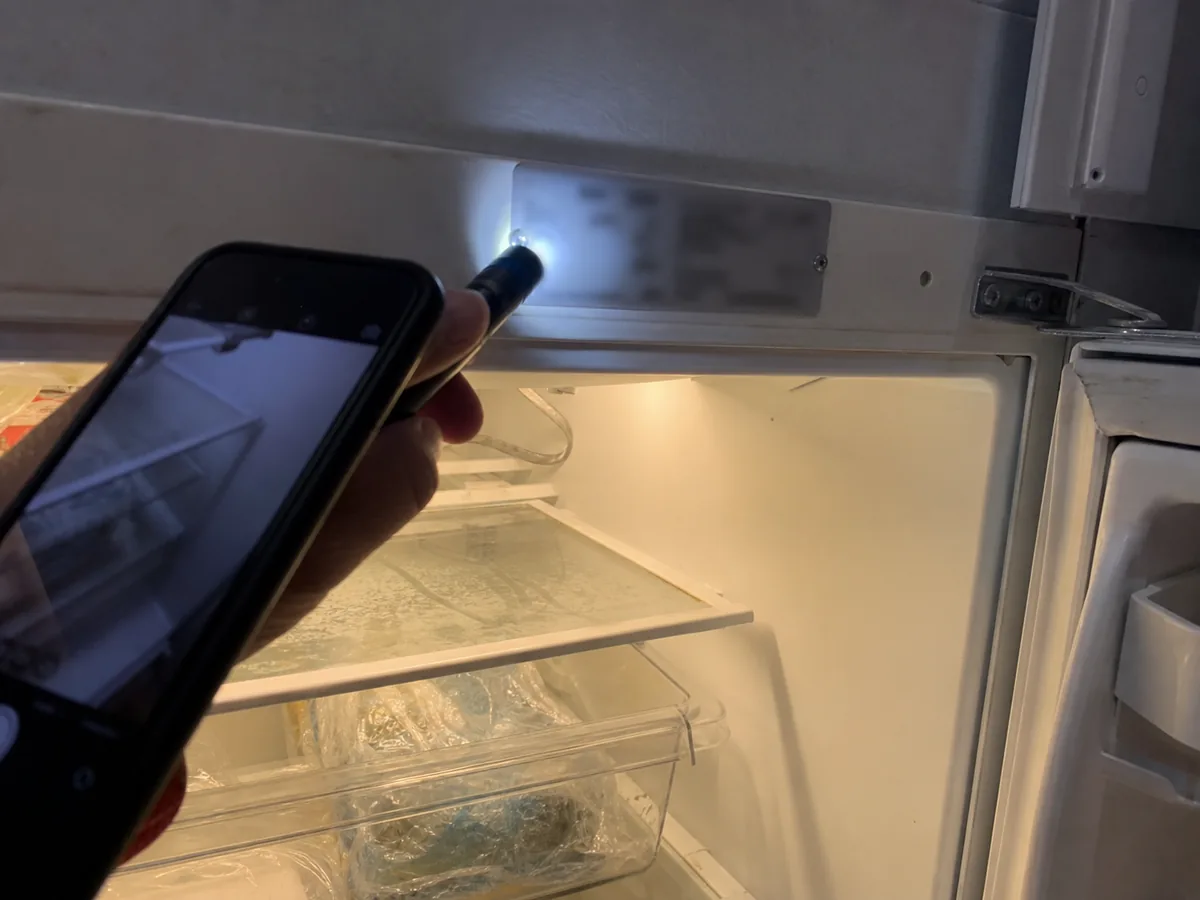
A good Sub-Zero visit should feel methodical. The technician confirms the model and serial, listens to the symptom history, protects the work area, performs the first likely test, and explains what is proven before offering a repair. Sonoma owners should not have to decode vague claims about compressors, controls, or factory parts. The process should produce enough evidence for an onsite owner, a property manager, or an offsite second-home owner to understand the decision.
The visit begins with model confirmation and visible evidence, then moves into component tests and verification.
Thematic reviews
Sonoma homeowner notes for technician process
These visible notes are written as topic-specific review-style fact blocks for homeowners comparing symptoms, neighborhoods, timing, and price ranges.
Documented repairsSonoma 95476 service area
No star counts are published here: every visit closes with a written temperature log and the part fitted by serial, so the proof stays in your kitchen.
Homeowner, Diamond A Ranch
What stood out was the order he worked in: model tag, real temperatures, then the simplest likely cause on our BI-48S before naming any part. Nothing was quoted until a test pointed to it, and the visit closed with a verification check I could actually understand. The process felt like diagnosis, not a sales script.
Devon S., Temelec
He talked me through each step as he went, from the symptom photo to floor protection to separating the airflow, gasket, and control checks. I never felt rushed toward an expensive guess. The result was a specific finding with evidence behind it.
Property manager, Westside
His documentation is what makes him easy to work with on owner properties. Every visit ends with the model, temperatures, access photos, part category, and the post-repair check, all in one note. That makes a remote approval straightforward without anyone standing in the kitchen.
Direct answer
Direct answers for Sonoma Sub-Zero owners
The Sonoma Sub-Zero visit, step by step
A good Sub-Zero visit should feel methodical. The technician confirms the model and serial, listens to the symptom history, protects the work area, performs the first likely test, and explains what is proven before offering a repair. Sonoma owners should not have to decode vague claims about compressors, controls, or factory parts. The process should produce enough evidence for an onsite owner, a property manager, or an offsite second-home owner to understand the decision.
Have the model tag, two temperatures, one wide appliance photo, one close symptom photo, event or guest date if relevant, and access notes for Sonoma 95476 ready.
Most diagnostics start with a $180-$250 service-call range. Simple repairs can take 1-3 hours; sealed-system work can take 2-6 hours onsite plus parts lead time after proof.
Typical technician process in Sonoma 95476 should start with model and serial proof plus actual temperature readings, not a phone-only part guess.
Written diagnostic process in Sonoma usually uses a $180-$250 planning range and a 50-95 min onsite window before parts timing is known.
Diamond A Ranch homes often add cabinet, floor, gate, or caretaker access notes to the diagnostic because Sub-Zero built-ins are commonly panel-ready or tightly installed.
warm inland afternoons, cool wine-country evenings, vineyard dust, pollen, and seasonal condenser load make condenser airflow, gasket compression, and recovery after restocking more important than a single display reading.
Symptom table
Scenario, urgency, evidence, and realistic action
The Sonoma Sub-Zero visit, step by step scenario table
Scenario
Urgency
Evidence to have ready
Realistic action
Owner wants proof before approval
Planned
Model tag, test result, part category, verification step
Write down what failed and what will be verified after repair.
Caretaker approves work remotely
Medium
Photos, readings, estimate, approval contact
Document evidence clearly before a return visit.
Freezer softening or alarm active
High
Actual freezer temperature, display value, alarm photo, reset history
Protect contents and avoid repeated resets before service review.
Ice bin empty before a weekend stay
Medium
Ice photos, freezer temperature, filter age, water shutoff note
Plan a 1-3 hour ice/water diagnostic; bottled ice may be needed for event day.
Door frost line or condensation edge
Medium
Close-up of frost edge, wide door photo, model tag
Keep door closed, avoid scraping, and schedule gasket/hinge inspection.
Preventive check before rental turnover
Planned
Access contact, model tag, current temperatures, guest date
Schedule before stocking food or wine, especially for offsite owners.
Risk table
Wine, food, and appliance risk thresholds
Wine, food, and appliance risk thresholds for technician process
Risk area
Threshold or trigger
Next step
Guest weekend inventory
Any active alarm or rapid temperature movement
Have event time, access window, model tag, and temperature evidence ready.
Fresh food
Above 40 F for extended periods
Move perishables, record actual temperature, and request a no-cool diagnostic.
Freezer
Soft food or rising above 10 F
Limit door openings, photograph display/alarm, and protect contents.
Red wine zone
Sustained drift above target by 4-6 F
Stop changing set points repeatedly; log upper/lower probe readings.
White wine zone
Sustained drift below or above target by 3-5 F
Check door seal and bottle spacing, then request sensor/airflow review.
Numbered steps
Six-step Sonoma diagnostic path
Capture the symptomWrite down the technician process symptom, actual temperatures, alarm state, and whether food, ice, wine, or guests are at risk.
Confirm model and accessPhotograph the model tag, serial if visible, lower grille or door area, and any Sonoma access detail such as gate, floor, or caretaker notes.
Run the simple proof firstCheck condenser airflow, door closure, fan behavior, water fill, sensor mismatch, or control evidence before naming a major part.
Match part to serialUse the model and serial break before quoting a gasket, valve, fan, sensor, board, compressor, or sealed-system component.
Quote the proven pathTie the quote to $180-$250 or the relevant planning range, plus access limits and parts timing.
Verify after workConfirm temperature recovery, ice harvest, gasket compression, alarm status, or sensor readings before considering the repair complete.
Definition
What this symptom usually means on a Sub-Zero
A good Sub-Zero visit should feel methodical. The technician confirms the model and serial, listens to the symptom history, protects the work area, performs the first likely test, and explains what is proven before offering a repair. Sonoma owners should not have to decode vague claims about compressors, controls, or factory parts. The process should produce enough evidence for an onsite owner, a property manager, or an offsite second-home owner to understand the decision.
Because many Sonoma appointments involve guest deadlines, gated access, or caretaker coordination, documentation matters. A photo of the model tag, part area, test point, and final temperature reading makes the visit easier to approve and easier to remember later.
Price table
Sub-Zero technician process cost ranges in Sonoma
Published planning ranges for Sonoma 95476; final quote depends on model, part availability, access, water-line condition, and diagnostic proof.
Sub-Zero technician process cost ranges in Sonoma
Service or symptom
Price range
Typical onsite window
What changes final price
Written diagnostic process
$180-$250
50-95 min
Includes model, temperatures, airflow, visible water-line or gasket checks, and the first diagnostic path for Sonoma 95476. Diamond A Ranch jobs also factor in access, floor protection, and model/serial proof.
Gasket/frost-line process
$395-$1,295
1-4 hours
Quoted only after electrical proof and model/serial confirmation because board revisions can change by production break. Eastside Historic Plaza District jobs also factor in access, floor protection, and model/serial proof.
Ice/water-line process
$440-$940
1-3 hours
Depends on model, gasket availability, hinge condition, panel fit, and whether cabinet alignment is involved. Westside jobs also factor in access, floor protection, and model/serial proof.
Control/sensor process
$315-$895
1-3 hours
Separates water valve, fill tube, filter-head, line restriction, and ice maker module causes before parts are quoted. Temelec jobs also factor in access, floor protection, and model/serial proof.
Sealed-system process
$1,545-$3,845
2-6 hours plus parts
Requires pressure, frost-pattern, amp-draw, and electrical evidence before any major estimate. Vineburg jobs also factor in access, floor protection, and model/serial proof.
Final price is set by the verified failure, exact model and serial break, cabinet access, water-line condition, part availability, and whether food or wine must be protected during the visit.
Evidence before action
What not to do before diagnosis
Do not accept a major repair quote that has no model confirmation, no test result, and no explanation of what simpler causes were ruled out.
Have a model-tag photo, one wide appliance photo, and one close symptom photo ready if possible. That helps the Sonoma route stock the right likely parts and prevents a generic appliance-repair script from taking over.
The visit begins with model confirmation and visible evidence, then moves into component tests and verification.
Ranked diagnostics
Likely causes, from simple to expensive
Intake
Signs: Symptom, timing, contents at risk, and access details are gathered.
Test: Ask what changed and what has already been reset.
Typical repair: Set the diagnostic priority.
Model confirmation
Signs: Model and serial are photographed or recorded.
Test: Match appliance family and part possibilities.
Typical repair: Avoid wrong-part ordering.
First test
Signs: The most likely simple cause is tested first.
Test: Use temperature, airflow, electrical, or seal checks.
Typical repair: Prove or eliminate the common fault.
Quote
Signs: Repair scope, part, warranty, and limits are explained.
Test: Separate confirmed work from watch items.
Typical repair: Approve only what is proven.
Verification
Signs: After repair, temperatures, fan behavior, seal, or harvest cycle are checked.
Test: Document final readings when useful.
Typical repair: Leave the owner with next steps.
Local service notes
Sonoma route and access facts that change the diagnostic
Eastside / Sonoma Plaza: older floors, tight halls, and event traffic make floor protection and appointment timing part of the visit.
Diamond A Ranch: gated access, larger panel-ready columns, and offsite owners make model photos and approval notes important.
Westside, Temelec, Vineburg: seasonal use, dust, and rental/second-home patterns make condenser and gasket checks useful before major conclusions.
Case notes
Example diagnostic scenarios, not reviews
These are educational, anonymized scenarios that show how a useful Sonoma Sub-Zero service note should be written. They are not customer testimonials and do not claim a specific completed job.
Example diagnostic case notes
City/neighborhood
Model family
Symptom
Tests performed
Outcome
Time
Evidence
Example diagnostic scenario: Eastside / Sonoma Plaza
BI-style built-in
Fresh-food section warm while freezer held temperature.
Fresh-food/freezer temperatures, condenser airflow, evaporator fan behavior, gasket edge check.
Fan or airflow path would be verified before any sealed-system quote.
1-3 hours depending on access.
Lower grille and model-tag photos document the starting point.
Sensor, airflow, or gasket work would be quoted only after readings match the symptom.
1-4 hours or a second visit if parts are needed.
Wine-zone probe photo and cabinet access note.
Example diagnostic scenario: Westside
650 / classic built-in family
Frost line at one door edge with occasional over-temperature alarm.
Paper-pull gasket test, hinge/panel reveal, actual temperature, alarm photo.
Gasket or hinge correction would be separated from control or compressor assumptions.
1-3 hours plus gasket lead time if needed.
Door-edge frost photo and model tag.
Example diagnostic scenario: Diamond A Ranch
Integrated column
Ice bin empty before guest arrival.
Freezer temperature, water fill volume, fill tube, valve voltage, filter-head restriction.
Valve, fill tube, module, or water-line repair would be separated before parts are ordered.
1-3 hours; return visit possible for model-specific valve.
Ice-bin photo, hollow-cube closeup, and water-line access note.
Parts and warranty
What should be documented with parts and repair terms
A Sonoma Sub-Zero quote should identify the model/serial data used to select the part, the tested symptom, the component being replaced or adjusted, any access limits, and the verification step after work. Warranty terms should be written with the invoice and should separate the installed part from unrelated age, water-line, cabinet, or sealed-system conditions.
For older built-ins, the owner should know whether parts are readily available, whether a serial break changes fit, whether a return visit is likely, and whether repair cost should be compared with cabinet disruption and replacement planning.
When the process reaches a sealed-system step, one extra line appears in the documentation: federal law permits only certified technicians to open a refrigerant circuit, and the technicians working through this site hold EPA Section 608 Universal certification. The federal rules behind sealed-system visits - told through the Sonoma wine walls they most often protect - explain what that gate means for scheduling, parts, and approval.
After the proof
Ready to document this Sub-Zero symptom?
Have the model tag, current temperatures, event date if relevant, and one symptom photo ready if you can. If the unit is warming now, keep fresh-food and freezer readings ready before calling or booking online.
The repair should be explained before work proceeds, including part category and what the diagnostic proved.
Can you work with a property manager?
Yes. The intake should include access instructions and the approval contact.
Do you use generic parts?
Premium built-ins should use parts matched to model and serial. The exact part category is confirmed before installation.
What happens if a part must be ordered?
The visit should identify the part, explain timing, and plan a return window around access and food or wine risk.
What is the practical technician process range in Sonoma?
Written diagnostic process is usually planned at $180-$250 with a 50-95 min onsite window before parts timing is known. The final quote depends on model, serial break, cabinet access, water-line condition, part availability, and the test that actually proves the failure.
Why does Diamond A Ranch access matter for this Sub-Zero visit?
Diamond A Ranch homes can add tight floors, custom panels, gated timing, or caretaker coordination to the visit. Access does not replace the diagnosis, but it changes labor planning, photo evidence, and whether the technician should prepare for protected movement before opening the lower service area.